
The fear of selling, the beautiful busy years that hid it, and what changed when I finally plugged in the cash register
A long, honest read for the female founder with the ideas, the content and the half-built offers, and somehow still no easy way for someone to say yes.
A quick peek inside this blog 💡
- 🫣 Do you keep making freebies, posts and website tweaks, and somehow never the page where someone can actually buy?
- 🤯 Have you ever wondered why building feels so cosy and selling feels like standing on a stage with sweaty palms and full-on stage fright, so you just… don’t?
- 🔌 Would you love to know what plugging in your cash register looks like, without turning into a louder, pushier person?
Then keep reading, because I’ll show you the busy, beautiful years where I did exactly this, the three things I wish somebody had told me much sooner, and one question that shows you where the lights are still off. And at the very end you’ll find the little planner that gives the week you build your door a home.
From the outside, I looked like I had it all figured out. Back in 2009 I had a busy Twitter account (when that still meant something), and later a beautiful Facebook group full of members and curated guest experts. People asked me how they could buy from me, and I had no idea what to say 🫣
Because I hadn’t built the thing that lets people pay me. Not because I couldn’t, but because I was afraid to.
The cash register was never plugged in.
I have been in business since 2007, and these days a working checkout is part of what I call soft, never the opposite of it. If you’re somewhere in your own version of those busy, beautiful years, stay with me for this one, because I’m telling you the whole messy story, not just the tidy ending…
Why does building feel so much safer than selling?
Looking back, this is the sentence I wish someone had said to me back then:
Building is praise without risk. Writing a blog, designing a freebie, polishing a website, people see that and they say “wow, you’re so talented” and that feels amazing. But selling? Selling is exposure. Selling means someone could actually say no.
Every new thing I built earned me a lovely little round of applause, and none of it could be rejected. A group full of guest experts gets compliments, a clever post gets likes and a pretty website gets “oh, I love your colours!” and none of that ever asks anyone to make a decision about me.
A sales page is different, because someone might look at my work, my price and me, and walk away 🤷♀️ Once I saw that, a lot of my busy years made a lot more sense. I had been building the parts of a business that could only ever be praised, and quietly skipping the one part that could be turned down.
The funny thing is that selling was never a skill I lacked. This is the woman who once sold a website at a tapas dinner before she had ever built one. Back then I ran a Dutch-only marketing agency for female founders, and somewhere during that dinner I decided we now also sold websites (I know, I know, I’m a little crazy sometimes 🤣). Selling somebody else’s solution felt easy. Selling my own thing, with my name on it, was where the fear lived.
Thing 1: Building is praise without risk, and selling is exposure
So the first thing I wish I’d known is simply that sentence, and how very human it is. Your brain notices which activities are safe and which ones could hurt, and it steers you towards the safe ones, beautifully, every single day.
That is also why the steering is so hard to catch. Building never feels like hiding. It feels like work, and often like really good work. You go to bed tired from a day of creating and polishing, and nothing about that day would ever make you think “I avoided selling today.”
What helped me was noticing the pattern from the outside. If you look back at the last month of your business and almost everything you made could be praised, but nothing could be bought, that’s the pattern (it was mine for years 🫣), and all it tells you is that your brain has been very good at keeping you safe.
Thing 2: I didn’t need more, I needed to turn the lights on
For years I thought the answer was more: more content, more polish, one more freebie and one more round on the website. In my own words, looking back:
I thought I was just busy. I thought I was building. I thought all of that creating and polishing and perfecting WAS the work. But looking back, with so much more clarity now? I was hiding.
And then, finally, the realisation: the problem wasn’t that I didn’t have enough. It was that I never turned the lights on.
Turning the lights on is my picture for building the path from your work to a yes:
- a page that explains what you have and who it’s for
- a checkout that works when someone clicks the button
- a welcome email that says hello the moment they buy
None of these are glamorous, and all of them are the difference between a business people admire and a business people can actually buy from.
I wrote about the being-everywhere side of this in Why Soft Marketing Is The Next Thing, Not A Throwback, because spreading yourself across every platform can be a very busy way of never opening the door.
You may already have the offer. The missing piece is the path that helps someone find it, understand it, and buy it. You don’t need another tool or another course for that. You need to finish what you already started, with a system that actually works with your brain 🩵
Thing 3: When you already doubt yourself, a “no” feels personal
This one sits underneath the other two.
And if you already feel like you’re not good enough (and trust me, I did) that “no” isn’t just a business rejection. It feels deeply, painfully personal.
So of course I kept building instead (safer, right?). And when something did slip, my brain was very quick to use it as evidence. You see, you take everything that you’re not doing correctly as proof why you shouldn’t be doing it in the first place. I think that’s just your lizard brain trying to keep you safe and out of unknown territory (mine is very dedicated to the job 🤣).
What I believe now is that a “no” to a sales page is mostly information about timing, fit and budget, and very rarely a verdict on the woman who wrote it. And a door that stays open makes one person walking past a lot less scary, because the next one can still walk in.
What does soft selling actually look like?
Soft gets misunderstood a lot. For me it has never meant gentle vibes and quiet revenue. Soft carries boundaries, strong offers and a working checkout. It means selling in a way your nervous system can hold: no fake timers, no pushy calls, no pretending something is running out when it is not. Just a clear, honest door that is there when someone is ready.
That was such a relief for me to realise, after all those busy, beautiful years… You don’t have to become a different, louder person to let people buy from you. You only have to make it possible.
How to stop building and start letting people buy
If you’re curious IF this is happening in YOUR business, here is the question I would sit with for ten quiet minutes:
“If someone asked me today how they could buy from me, what would I say, and where would I send them?”
If the answer comes easily, lovely, you have a door. If it comes out as “erm…” (been there, for years…), you have just found the spot where the lights are still off, and that is far more useful to know than which freebie to build next.
If you want to go one step further:
- Write down the one thing you already have that someone could buy.
- Next to it, write the three pieces it needs to be buyable: a page, a working checkout and a welcome.
- Tick the ones that already exist, even half-done (you might be much closer than you think 💡).
You don’t have to fix it today. Noticing it is already the first click of the switch.
If I could sit next to my earlier self, back in those busy, beautiful years, I would tell her the cash register only needed plugging in, scared or not. And I would tell her the applause was lovely, but it was never going to pay for the business she wanted to build.
So… what’s the thing you keep polishing instead of opening the door to? (Mine was a whole Facebook group full of guest experts, so no judgement here 🤗)
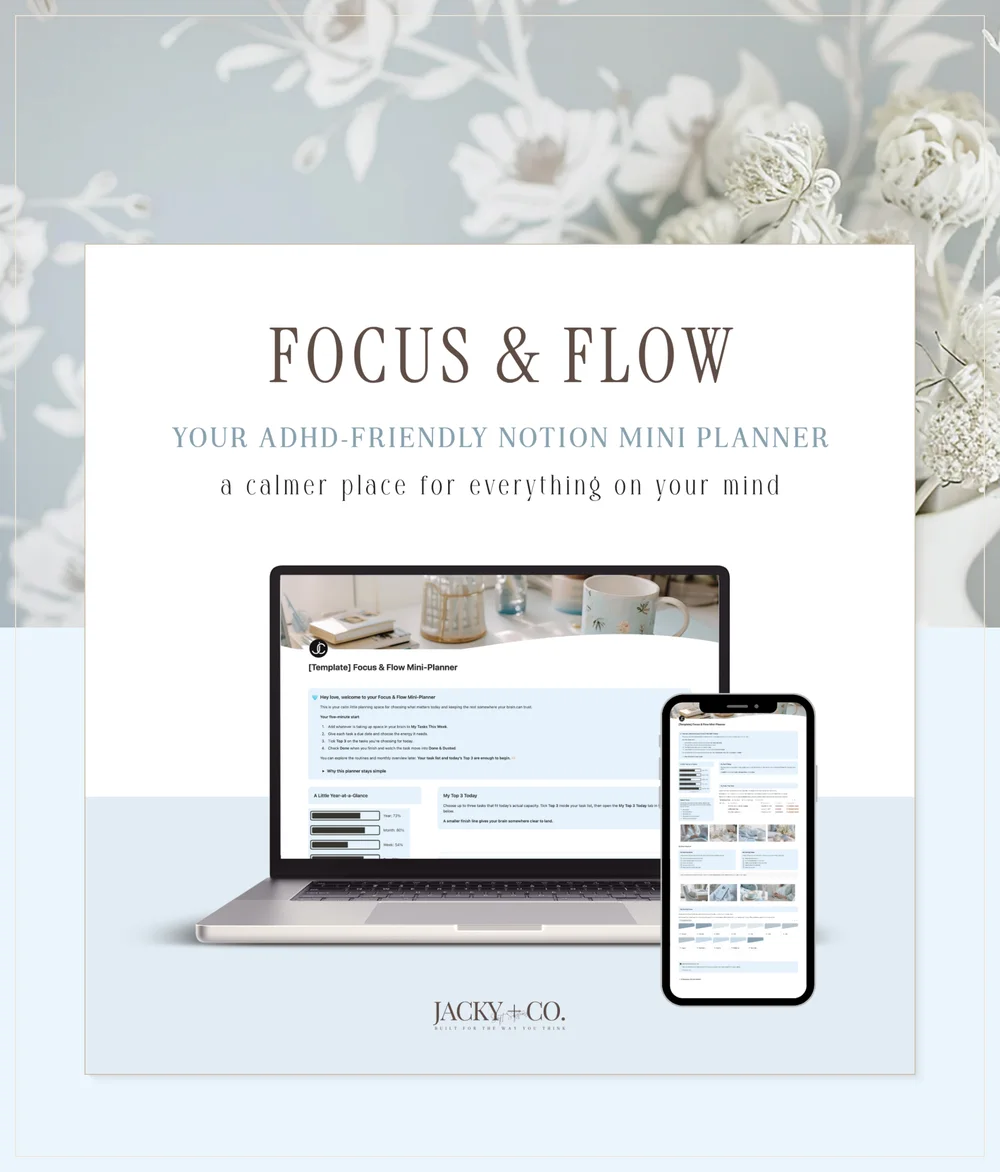
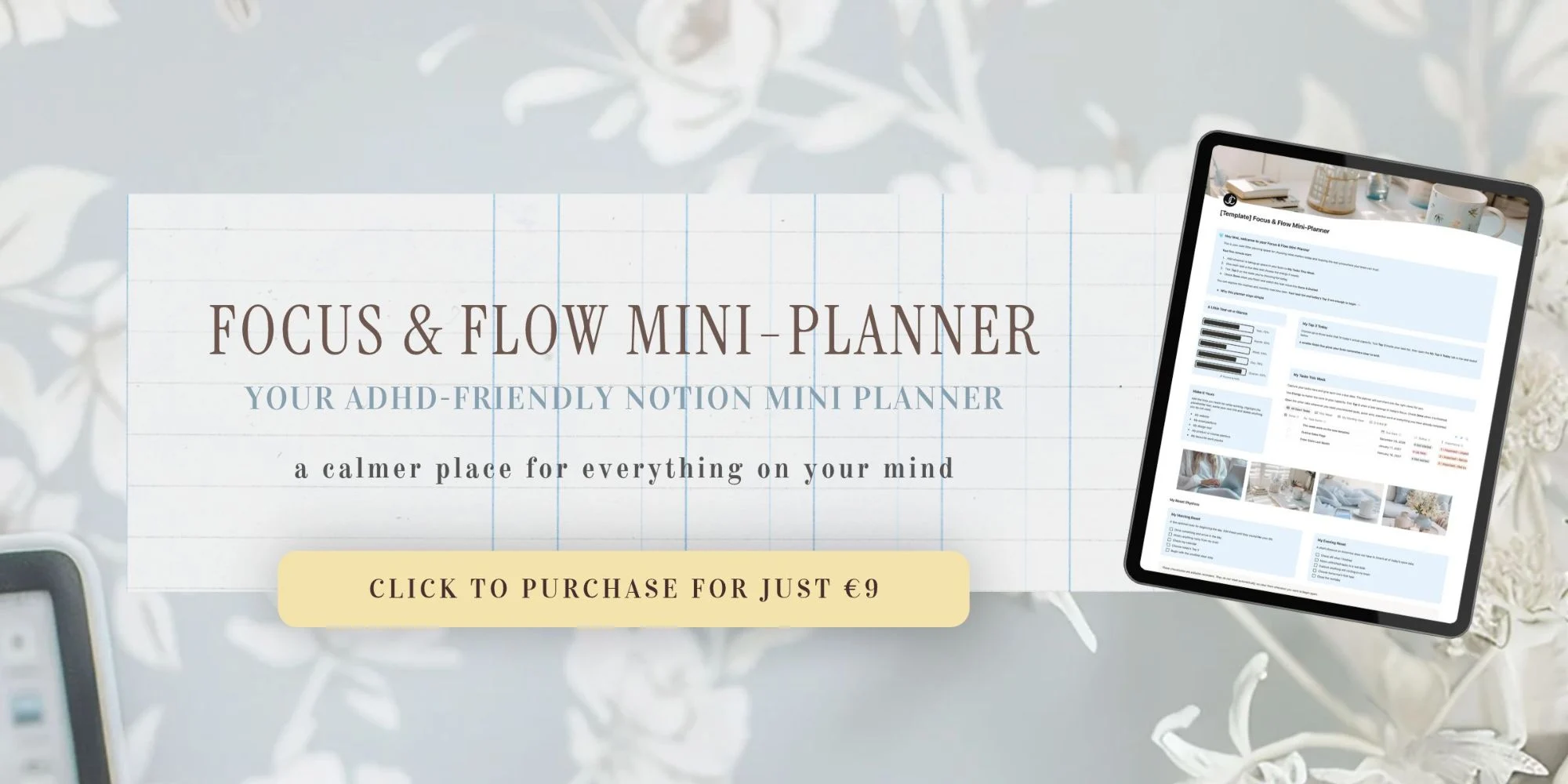
If you would like one small place to hold the week you plug in your own cash register, my Focus & Flow Mini-Planner is a little Notion template with a weekly focus and a daily Top 3, so the one door you are building gets a home on your list 🫶🏻
メ૦ Jakolien